
Why are jail populations rising in NC?
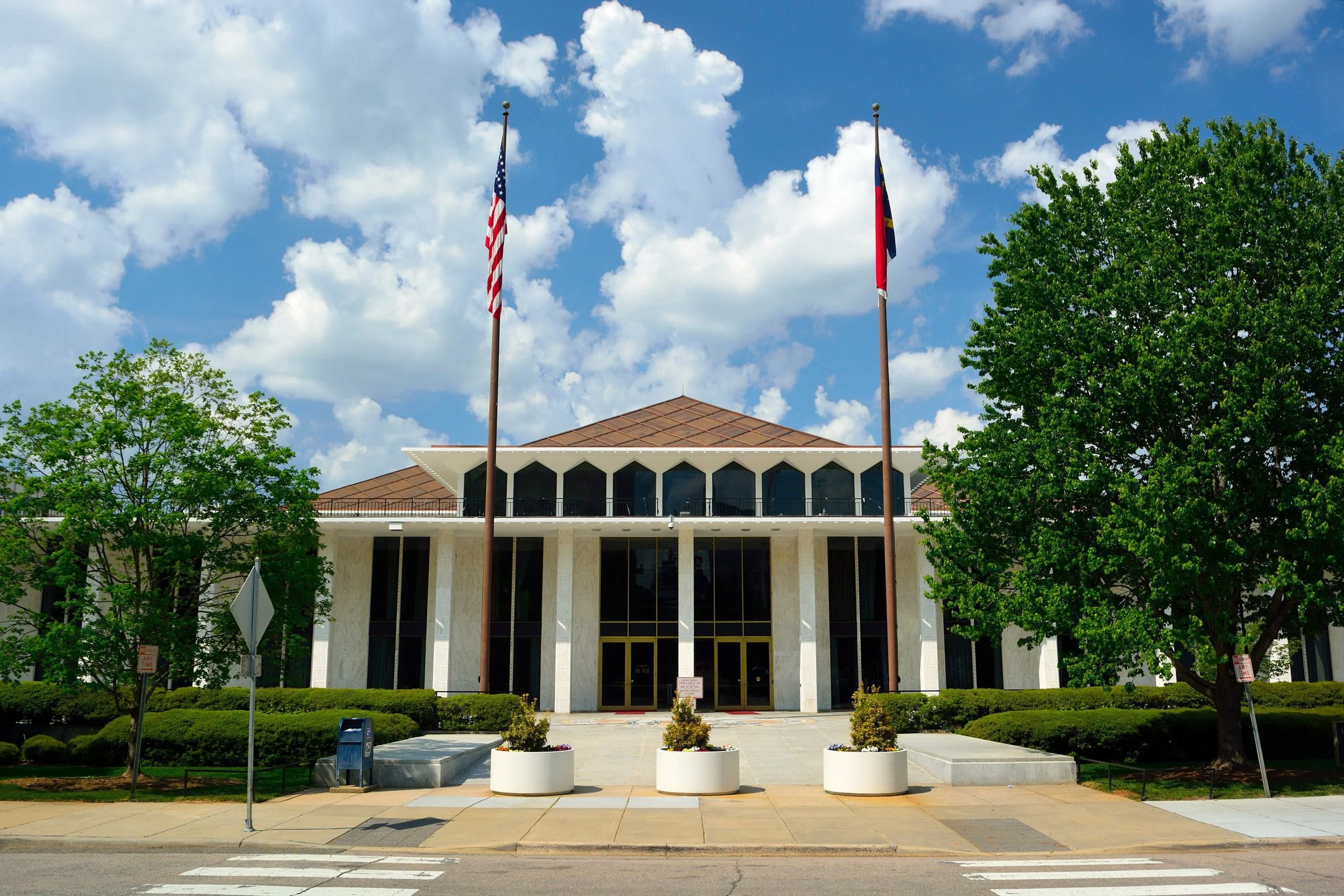
It's Summer, when crime rates typically rise, and Sheriffs across North Carolina are faced with an unexpected increase in people who have been arrested and held while they await trial.
Where is this happening?
In May, the population at the Mecklenburg County Detention Center was 2,084 inmates, well above its capacity of 1,791.
The Wake County jail was almost 100 inmates over its capacity in April. Since 2021, the inmate population has increased by more than 400 people. The facility now houses 1,664 inmates, nearly 100 over its intended capacity.
The Robeson County jail, which has a capacity of 410 was housing 501 inmates as of May, reported by The Assembly.
The Carteret County jail had 73 inmates in May 2025. The number was up to 146 last month, although the facility’s capacity is 117.
Forsyth County is facing similar issues, the jail population has averaged between 900 and 950 inmates in 2026. County officials had anticipated a population between 800 and 850, according to county documents.
The population at the Greensboro jail, one of two in the county, increased 16.5% over the last six months. The High Point jail experienced a nearly 13% increase over the same period.
Why is this happening?
There are three immediate reasons and another fundamental reason, to be covered in a different article, is the long term under funding of the NC State Courts.
Recent changes in the law passed by the GOP dominated State Legislature
Lack of state funding to address the new state requirements or the underlying challenges
Crowded State prisons are unable to accept the transfer of convicted people from county jails
Changes in the Law
In 2023, the Pretrial Integrity Act increased the number defendants on the first appearance calendar, for conditions to be set by a judge. No additional funding was provided for this increased workload.
In 2025, Iryna's Law increased the types of serious criminal charges requiring a secured bond (including the first offense) and eliminated the option of a written promise to appear for all criminal charges.
The majority of criminal charges are for nonviolent misdemeanors. Because many people held pretrial are poor and cannot afford to post a secured (i.e. commercial) bond, this effectively means they are held in detention until their case is either dismissed or they plead guilty. No additional funding was provided for this increase in people who are detained indefinitely while awaiting trial.
Funding Gaps
Bria Evans, a spokesperson for the Guilford County sheriff’s office, said more people are remaining in custody who would ordinarily be released on a written promise to appear in court. Evans said that has placed higher demands on facility operations, staffing, housing, food services, and medical resources.
Similarly, Forsyth County officials cited Iryna’s Law as one of the main reasons for the detained population increase.
Mecklenburg County Sheriff McFadden criticized the legislation for the lack of additional resources and funding it provided and since it took effect in December. Magistrates and judges are issuing more secured bonds that require defendants to pay cash or put up collateral to be released. That means more people who would have previously been released are staying in county jails longer. McFadden was an early critic of the law, saying in December that he had already seen an 18% increase in the jail population over the previous year.
Both Mecklenburg and Wake County are responding to the need for more space in the jails by reopening facilities that had been closed. Wake plans to spend over $200m to expand the jail capacity and is challenged to fund additional behavioral health services that could help people avoid criminal charges in the first place.
Mental health plays a role. Defendants who don’t have the mental capacity to move forward in court can stay longer in the detention center, McFadden said in a news briefing from April.
"We are already struggling from a lack of resources among prosecutors, public defenders, [and] court time,” Lorrin Freeman, Wake DA, said. “The reality of developing mechanisms by which people’s conditions of release can be considered has been very challenging and will continue to be challenging.”
Angelica McIntyre, the chief district court judge in Robeson, said the county doesn’t have enough space in its courthouse or jail to process the increasing number of people held who can’t afford to pay a secured bond.
Crowded Prisons
The backlogs in county jails was 1,382 inmates as of June 23, according to Eddie Caldwell, executive vice president and general counsel of the North Carolina Sheriffs’ Association. He said one major factor is the backlog of people who need to be transferred to state prisons to serve their sentence. There are about 1,200 of those inmates waiting in jails, Caldwell said.
Crowded jails also deprive counties of revenue. Eddie Madden, who served as Columbus County manager until June 1, said the county expects to lose $600,000 in the upcoming fiscal year because it will no longer have jail space to rent to federal agencies that pay a per diem rate to house people held on federal warrants.
Sources: